How Often Should You Repaint a Commercial Building in Los Angeles?
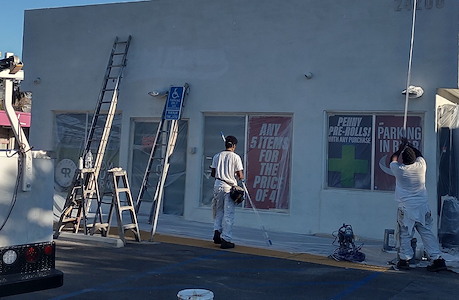
Wondering how often you should repaint a commercial building in Los Angeles? The answer depends on your materials, exposure, and how people use the space, but a clear schedule helps protect your asset, preserve curb appeal, and keep tenants and customers confident about your brand.
If you want a quick, professional assessment for your property type, talk with R. E. Temple Coatings & Specialty Services about commercial exterior painting in Los Angeles and how to plan the right maintenance cycle for your buildings.
What Drives Your Repaint Timeline In Los Angeles
Los Angeles is sunny, salty in coastal zones, and dusty near traffic corridors. UV light, marine layer moisture, and air pollutants all speed up fading, chalking, and coating breakdown. That means repaint timing for a building in Santa Monica can be different from one in the San Fernando Valley or near Downtown.
- Sun and UV: South- and west-facing elevations fade and chalk faster than shaded sides.
- Salt and Moisture: Coastal air (Marina del Rey, Venice, Playa Vista) loads surfaces with salt, which can undermine coatings on metal and concrete.
- Heat and Smog: Inland heat bakes color; traffic grime near freeways sticks to porous finishes and accelerates wear.
- Material and Prep Quality: Stucco, wood, concrete, metal, and EIFS age differently. Better prep and premium coatings last longer.
- Use and Touchpoints: High-traffic areas, loading docks, stairwells, and entries see more scuffs, bumps, and cleaning cycles.
Typical Repaint Schedules By Surface Type
Every building is unique, so consider these as planning ranges, then adjust for exposure and use. Routine inspections and light maintenance can keep you on the long end of the range.
- Stucco and Masonry: Often 6 to 10 years with elastomeric or high-build coatings in mild exposure; closer to 5 to 7 years in harsher coastal or high-UV settings.
- Wood Trim and Siding: Commonly 3 to 6 years, since wood moves with temperature swings and needs more frequent sealing.
- Metal (Railings, Doors, Canopies): About 5 to 8 years, depending on corrosion control and salt exposure; galvanic rust areas may need earlier touch-ups.
- Concrete Tilt-Up: Roughly 7 to 10 years with proper prep and primers; joints and sealants may need attention sooner.
- Block Walls and CMU: Around 6 to 9 years; porous surfaces benefit from periodic cleaning to prevent embedded grime.
- Interior Common Areas: High-traffic lobbies, corridors, and restrooms often look best with repainting every 2 to 4 years; conference rooms and offices stretch longer.
Treat these timelines as planning guides, not rigid rules, because microclimates and exposure can shift a schedule by several years.
How L.A. Microclimates Change The Schedule
Coastal Westside
Buildings in Santa Monica, Venice, and Playa del Rey get salt spray and damp marine layers that shorten coating life on steel and untreated concrete. Expect to wash more often and watch for rust and efflorescence.
Valleys and Canyons
The San Fernando Valley and hillside corridors see hotter summers and intense sun. UV breaks down binders, so colors fade faster and south- and west-facing walls age first.
Urban Core
Downtown Los Angeles and arts district properties handle soot, dust, and frequent cleaning. Abrasion from maintenance and grime can wear out the sheen on handrails and doors earlier than you planned.
Local insight: South- and west-facing sides of Los Angeles buildings often age a full cycle sooner than shaded elevations. If you’re budgeting, plan to prioritize these elevations for cleaning, touch-ups, and earlier repainting to keep the whole property looking consistent.
Exterior Warning Signs You Shouldn’t Ignore
Paint is your first line of defense against the sun and moisture. Catching problems early protects substrates and avoids larger repairs.
Watch for these cues:
- Fading and Chalky Residue: Color dulls, and a light rub leaves pigment on your hand. That’s UV telling you the coating is thinning.
- Hairline Cracks in Stucco or Elastomerics: Small now, bigger later. They let in moisture and can lead to bubbling or peeling.
- Peeling, Flaking, or Blistering: Often tied to moisture intrusion, poor adhesion, or heat. Address the cause, not just the symptom.
- Rust Streaks on Metal: Corrosion travels. Stop it early with proper prep and compatible primers.
- Mildew or Algae in Shaded Zones: Common on north sides and near landscaping or along the coast. Persistent growth is a sign that the coating’s mildewcides are spent.
Never ignore active leaks or soft spots around windows and parapets; water intrusion can damage interiors and lead to costly substrate repairs.
Interior Commercial Spaces: When To Refresh
Interiors age for different reasons. The more hands on the walls, carts in the halls, and cleaning cycles per week, the faster finishes dull. Retail and quick-service restaurants in high-traffic neighborhoods often repaint sooner than professional offices in quieter corridors.
- Public Areas and Corridors: High-touch and frequently cleaned. Plan on 2 to 4 years for a full refresh to keep colors bright and scuffs under control.
- Conference Rooms and Private Offices: Lower wear. Many teams target 4 to 6 years and add touch-ups for chips and nail holes in between.
- Healthcare and Education: Specialized coatings and strict cleaning routines can shorten cycles in certain rooms; prioritize durability and easy-to-clean finishes.
Smart Maintenance That Extends Time Between Repaints
You can’t control the sun or salt, but you can slow their impact with steady, professional upkeep. The right maintenance buys time before a full repaint and helps you budget with fewer surprises.
Schedule Regular Washing: Gentle, periodic cleaning removes soot, salt, and grime before they embed. This keeps colors truer and prevents premature chalking.
Sealants and Joints: Ask your painting contractor to inspect sealants around windows, doors, and expansion joints. Fresh sealant protects paint edges and stops water from getting behind coatings.
Proactive Touch-Ups: When small dings appear on doors, guardrails, or bollards, touch them up early so corrosion or exposed substrate doesn’t spread.
Shade and Signage: Awnings or well-placed signage can reduce UV on glass entries and highlight brand colors where they matter most.
If you see recurring issues on the same elevation, log the date, weather, and location. Patterns reveal root causes faster and guide targeted fixes.
How To Plan Repainting Without Disrupting Business
Smart scheduling keeps your operations moving. Many Los Angeles businesses prefer night, weekend, or phased work, especially along busy corridors where daytime access matters. Clear communication is everything.
- Phasing by Elevation or Floor: Tackle the sun-beaten west elevation first, then rotate around the building. For multi-tenant properties, align with lease schedules or operating hours.
- Tenant and Customer Notices: Post concise, dated notices and wayfinding. Coordinate with security and janitorial so entries, lobbies, and restrooms stay open and safe.
- Brand and Color Management: Keep a master color schedule and sheens on file. That saves time on approvals and ensures consistent touch-ups between full repaints.
- Product Choices: Low-odor, low-VOC coatings are common for occupied buildings. They help crews work during off-hours with less lingering smell the next morning.
Recommended Repaint Cadence For Los Angeles Properties
Use the outline below to frame a plan you can adjust by microclimate and use. Your building may land slightly outside these ranges, and that’s fine. What matters is a repeatable cadence backed by inspections.
Exterior Walls: Most stucco, tilt-up, and masonry do well with a 6 to 10 year full repaint, with mid-cycle washing and touch-ups on sun-beaten sides.
Trim, Doors, Metal Rails, and Bollards: Expect 3 to 5 years for a refresh, with annual inspections for corrosion and impact damage.
High-Traffic Interiors: Plan 2 to 4 years for repainting corridors, lobbies, and restrooms. Lower-traffic spaces can stretch further.
Priority Elevations: West and south walls often need attention sooner. Build that into your budget and rotation rather than waiting for a visible mismatch.
When you’re ready to map these timelines onto your portfolio, review materials and exposure with a pro. A quick property walk helps confirm whether you’re on the short or long end of each range.
Why A Professional Los Angeles Team Makes The Difference
Prep and product selection decide how long paint lasts. Commercial crews understand substrate repairs, joint treatments, compatible primers, and the sequencing needed to work safely around tenants, cars, and pedestrians. That’s why a tailored scope beats a generic one-size-fits-all estimate every time.
If you need an expert plan and a clean, predictable process, explore how R. E. Temple Coatings & Specialty Services approaches commercial painting for busy properties before you set your next facilities budget.
Your Next Step In Los Angeles
Protect your exterior, keep interiors on-brand, and plan work around business hours. Start with a brief site walk, confirm your materials, and set a realistic repaint schedule for the next three to five years. For guidance from a local painting company that works around tenants and traffic, tap a quick consult and line up your maintenance calendar.
Ready to protect your property and keep it looking sharp year-round? Call R. E. Temple Coatings & Specialty Services at 909-643-2353 to schedule a walk-through and get a tailored repaint plan.
Give Your Business A Fresh Look. Contact Our Coatings & Specialty Services Experts Today, We Operate in 5 Counties.