Parking Lot Maintenance Plan for High-Traffic Los Angeles Properties
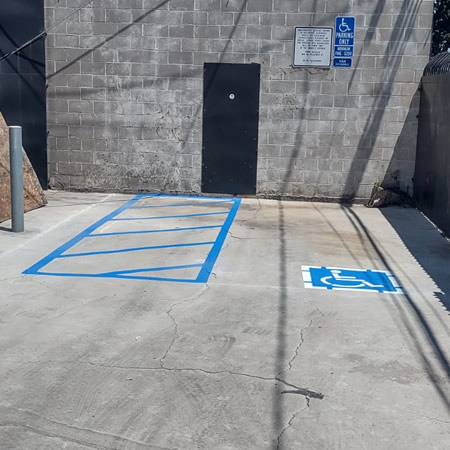
If your property sees steady foot and vehicle traffic, you need a simple plan for parking lot maintenance Los Angeles managers can trust. A consistent schedule protects curb appeal, improves wayfinding, and helps tenants feel safe. For a deeper look at scope and timing, explore our parking lot maintenance services and tailor them to your site’s real-world use.
Why A Parking Lot Maintenance Schedule Matters In Los Angeles
From Downtown and Koreatown to the Westside and the Valley, lots fade fast under year-round sun, ocean air, and heavy use. Bright lines and clean surfaces set the tone the moment guests pull in. As a commercial painter and striping partner, R. E. Temple Coatings & Specialty Services focuses on visibility and durability so your entrances, ADA paths, and loading areas stay readable during the morning rush and after dark.
Think of your lot like a lobby you drive through. A clear layout reduces fender-benders, shortens queue times, and keeps deliveries moving. Small touch-ups done on schedule often prevent bigger repairs later.
Annual Parking Lot Maintenance Checklist For High-Traffic Sites
Use this simple checklist as a planning tool. The best schedule varies by surface age, sun exposure, and traffic mix, but most busy Los Angeles properties benefit from quarterly reviews with targeted work in each season.
- Quarterly: Surface cleaning to remove oil, tire dust, and debris. Address any standing water or clogged drains.
- Semiannual: Touch up high-wear markings at entries, crosswalks, and loading lanes. Replace damaged wheel stops or bollard wraps.
- Annual: Refresh faded stall lines, arrows, and curb colors where visibility has dropped. Reassess traffic flow for changes in tenant mix.
- As Needed: Crack sealing, patching, or sealcoat timing based on weather and wear patterns. Confirm signs remain legible and properly placed.
You can coordinate each task with operations so customer access remains open. In retail corridors like Hollywood or Culver City, early morning windows often work best. In office parks near Burbank or Glendale, midweek, mid-morning slots reduce conflict with peak arrivals.
Re-Striping Frequency: How Often Should You Refresh Lines?
There is no single clock for every property, but many high-traffic Los Angeles lots re-stripe every 12 to 18 months. Lots with constant turnover, delivery trucks, or intense sun can need attention on the shorter end of that range. Covered garages or shaded structures may stretch a bit longer, though exhaust and dust still dull markings over time.
Watch for these signs that your lot is due:
- Lines and arrows look gray, thin, or uneven in daylight or headlights.
- Drivers hesitate or cut corners near intersections or crosswalks.
- Nighttime glare washes out markings on ramps or polished concrete.
- Oil spots and tire rubs overwhelm paint in tight turn areas.
When it is time to restore clarity, a dedicated session of parking lot striping tightens traffic patterns and brings back high-contrast guidance. Pair that work with targeted cleaning so fresh paint bonds well and looks sharp.
When To Refresh Parking Lot Paint For Maximum Visibility
Paint life depends on sun exposure, substrate, and traffic type. Coastal fog in Santa Monica and Marina del Rey can slow dry times, while Santa Ana winds in the fall can kick up dust. In dense corridors like DTLA, garage lighting and tight ramps put extra stress on arrows and numbers. A quick walk-through at dusk is a smart test. If you struggle to read pedestrian paths or stall edges, it is time to plan a refresh.
Prioritize high-risk zones first: crosswalks, pedestrian pick-up points, loading doors, and blind corners. Fresh markings here have the biggest impact on safety and customer confidence.
Cleaning Comes First: Set The Stage For Durable Markings
Paint sticks best to a clean, dry surface. Tire dust, oil drips, and leaf stains weaken adhesion and mute color. In busy centers near Inglewood or Van Nuys, build routine washing into your plan so lines stay bright between full re-striping cycles. If you need help deciding cadence, our team can align cleaning with your highest-wear days and seasonal patterns.
For properties that struggle with buildup, a periodic service focused on curb appeal and slip reduction can reset the surface before painting. This is especially useful after winter rains or before summer traffic spikes.
Simple Phasing That Keeps People Moving
Good phasing avoids bottlenecks. Many Los Angeles sites choose a two- or three-phase approach: block off one zone, complete cleaning and layout, then move barricades after paint dries. Campus-style properties in the Valley or around Westchester benefit from color-coded maps for tenants so everyone knows where to park and walk.
Post clear, temporary signs at drive entries and elevators. Mark ride-share and delivery zones early so vehicles do not wander into curing areas. Keep a few staff visible during the first hour after reopening to guide drivers while paint hardens.
A Painter’s Perspective: Materials And Markings That Last
As a commercial painter, R. E. Temple Coatings & Specialty Services selects coatings based on your surface and use. High-visibility waterborne traffic paints work well for most outdoor lots and help minimize odor near residential edges. For tight turns, loading lanes, and garage ramps, we can recommend more durable options designed for abrasion and hot tires.
Contrast matters as much as chemistry. Choose bright, consistent colors for stall lines and arrows so drivers read the lot at a glance, even with headlight glare. In multi-level structures, consider bolder numerals and wayfinding to reduce confusion during peak hours.
Local Timing Tips For Los Angeles Weather
Our climate is generous, but timing still matters. Warm months offer fast dry times, while late fall mornings may bring dew. Near the coast, fog can delay cure; inland, heat can push surface temps high by midafternoon.
To streamline your calendar:
Test visibility at night after a cleaning pass to see what truly needs paint. Stage re-striping midweek for retail centers to dodge weekend surges. In garages, plan early starts to reopen ramps before commuter peaks. A little planning keeps tenants happy and protects fresh markings when traffic returns.
Putting It All Together: A Practical One-Year Plan
Here is a simple model many high-traffic properties use. Tweak it for your microclimate and tenant schedule:
Quarter 1: Deep clean, inspect for cracks and ponding, and refresh high-wear markings at entries and crosswalks.
Quarter 2: Re-stripe primary drive lanes and re-letter stall numbers where fading creates hesitation.
Quarter 3: Midyear cleaning and targeted touch-ups. Confirm loading zones, curb colors, and directional arrows remain easy to follow.
Quarter 4: Full evaluation at dusk. If visibility is low, schedule a broader paint refresh before holiday traffic.
When re-striping follows sealcoating or other surface work, timing the sequence prevents smearing and rework. For details on timing and cure windows, this article on re-striping after sealcoating explains what to check before painting begins.
How To Communicate Changes To Tenants And Guests
Communication keeps operations smooth. Email a simple map a week ahead, post a reminder 24 hours before work, and place cones with arrows the morning of. In neighborhoods like Century City or Playa Vista where rideshare is common, add clear pick-up zones outside work areas.
If your property spans multiple entrances, open the easiest route first and keep a staff member stationed there for the first hour. That small gesture reduces confusion and protects fresh paint while it hardens.
Partnering With A Local Team You Can Reach
Reliable response times matter when weather shifts or a delivery window changes. With R. E. Temple Coatings & Specialty Services, you get a single point of contact, schedules built around your peaks, and crews who respect your tenants and timelines. If you are new to our services, many managers start with a focused scope, then add tasks once they see how phasing works on their site.
For a bigger refresh, you can bundle marking updates with a broader layout session through our parking lot striping team. If you want an overview of our capabilities, learn more about parking lot maintenance Los Angeles and related coatings on our homepage.
Get Your Custom Parking Lot Maintenance Plan
Your lot is where every visit begins. A clear plan and the right partner keep it looking sharp in every season. Explore options for timing, materials, and phasing with our annual parking lot maintenance plan, and we will tailor the schedule to your traffic and weather window across Los Angeles, CA.
Ready to protect curb appeal and safety without disrupting business? Call 909-643-2353 to coordinate a site walk with R. E. Temple Coatings & Specialty Services. Our estimator will review sun exposure, traffic patterns, and lighting so your lines stand out day and night. If you prefer to start online, outline your goals and timing, and we will map the phases and sequence that fit your calendar.
For managers who like to dig deeper into design and compliance topics, this guide to parking lot striping standards in California is a helpful reference when planning updates across multiple locations.
When your team is ready, we will finalize the plan and schedule your first visit through our parking lot striping and maintenance program. Clear markings, smart phasing, and on-time communication make every arrival feel easy.
Give Your Business A Fresh Look. Contact Our Coatings & Specialty Services Experts Today, We Operate in 5 Counties.